Enterprise Process Automation
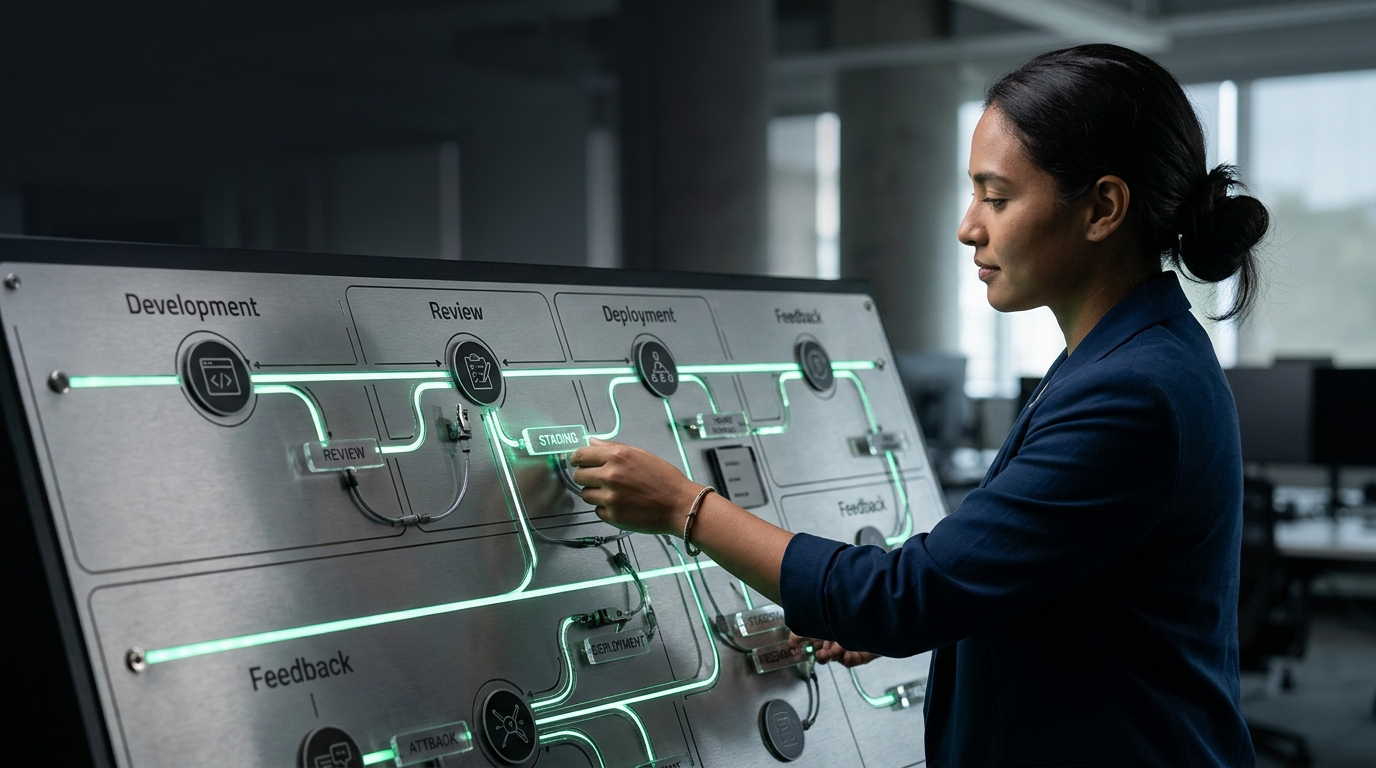
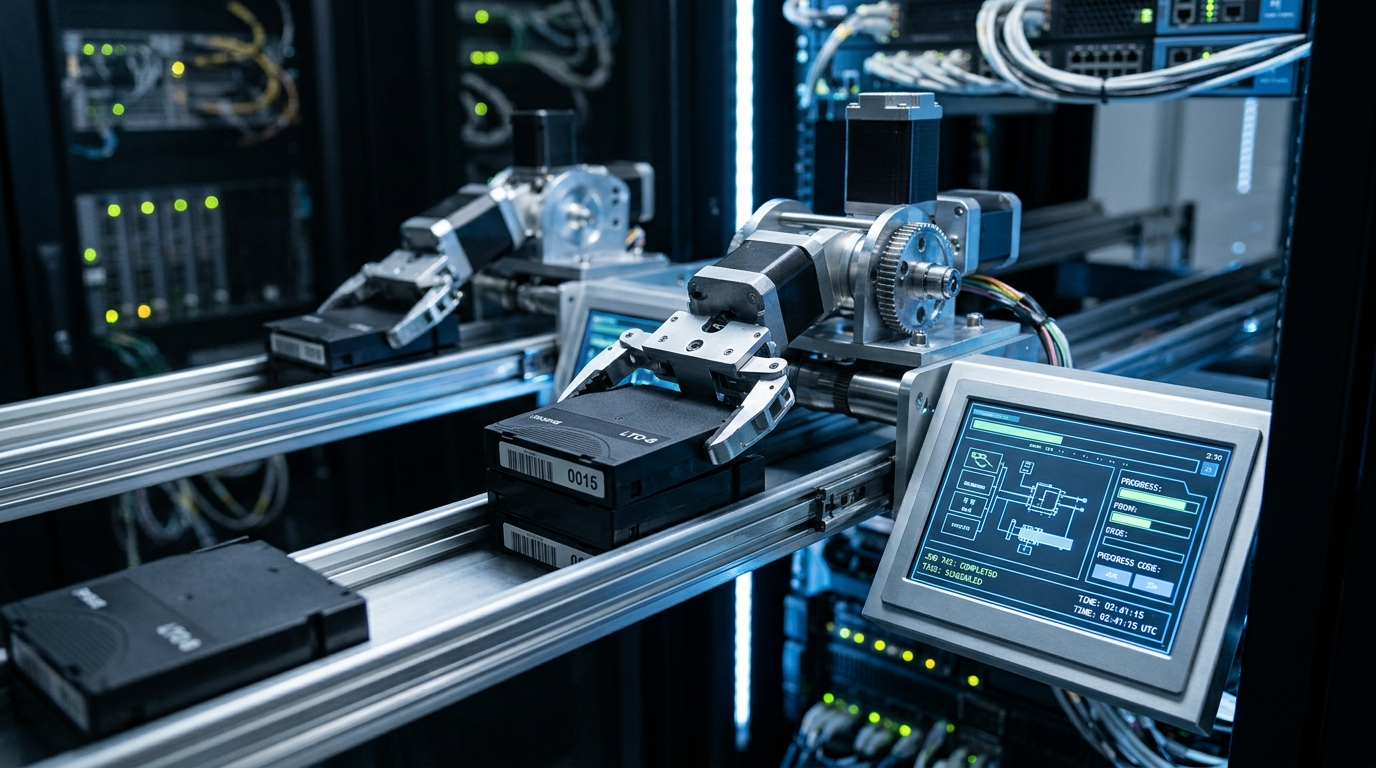
We map the operational loops that still depend on people re-keying data, forwarding requests or watching for status changes, then automate them end to end so work moves on its own.

Overview
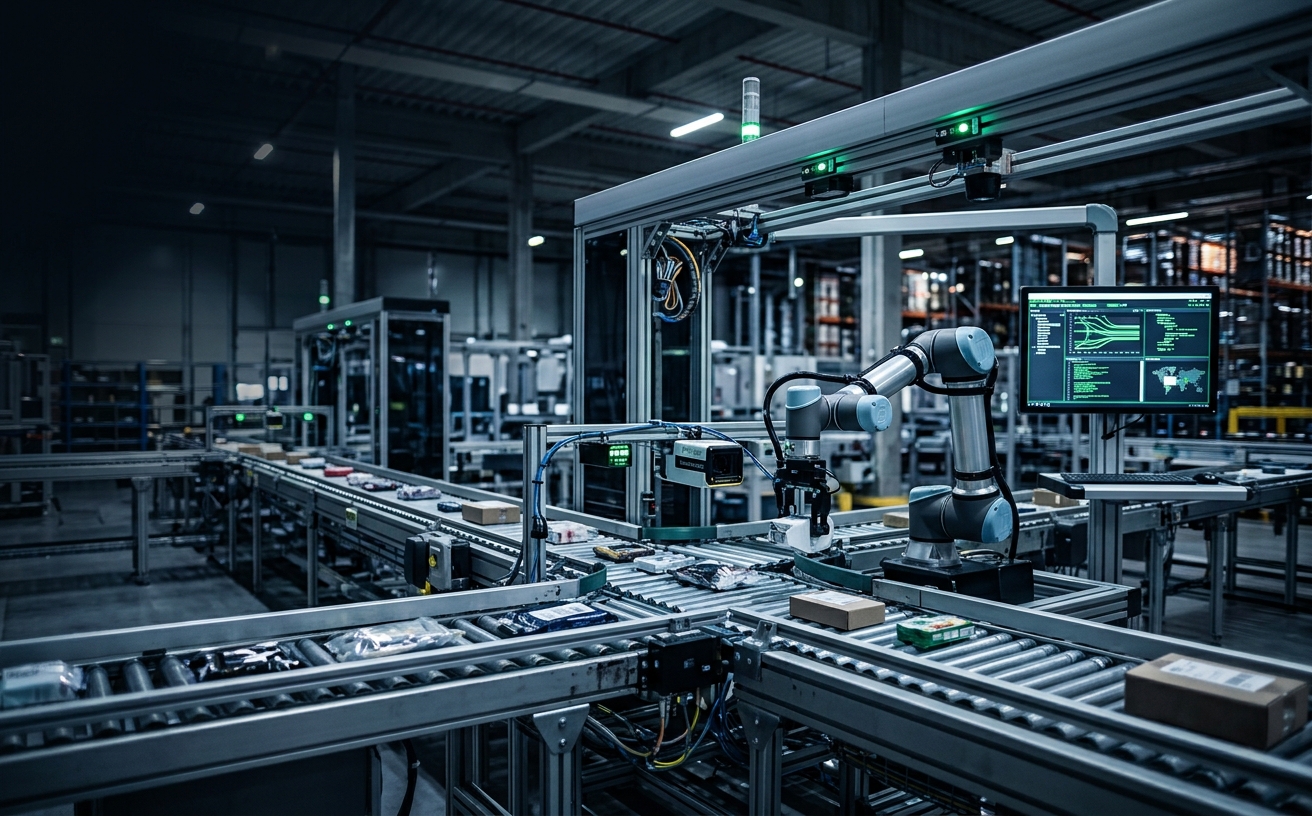
End-to-end automation of complex operational loops to eliminate manual intervention and accelerate output cycles.
Most operational loops begin as a sequence of manual steps: a request arrives, someone checks it, copies details into another system, waits for a response and passes the result on. Each hand-off adds delay and a chance for error.
Enterprise Process Automation replaces those hand-offs with a defined, machine-executed flow. Triggers, validations, routing decisions and system updates run in sequence, while people are brought in only where judgment is genuinely required.
Benefits
Significantly optimizes production cycle times and reduces routine operational friction.
- Shorter cycle timesSteps that once waited in inboxes or queues execute as soon as their inputs are ready.
- Less routine frictionRepetitive re-entry, copying and status chasing are removed from daily work.
- Consistent executionThe same rules apply to every run, so outcomes no longer depend on who is on shift.
- Clear exception handlingCases that need human review are routed explicitly instead of being lost between systems.
Where it applies
- Order-to-fulfilment loopsRequests that pass through intake, validation, approval and dispatch across several internal systems.
- Back-office reconciliationRecurring matching and checking work between records held in different applications.
- Production and operations hand-offsTransitions between planning, execution and reporting teams that currently rely on manual updates.
- Request intake and routingInbound requests that must be classified, enriched and sent to the right owner.
Technical aspects
Process discovery and mapping
We document the current loop step by step, including systems touched, decision points, data passed between steps and where time is lost. This map becomes the shared reference for what will be automated and what will stay manual.
Integration with existing systems
Automations are built to work with the applications your teams already use, connecting through the interfaces those systems provide. The aim is to remove manual bridges between tools rather than replace the tools themselves.
Rules, validation and exceptions
Business rules are made explicit and testable. Inputs are validated before they move downstream, and anything outside the defined rules is routed to a named owner with the context needed to resolve it.
Monitoring and change
Each automated loop is designed to be observable, so operators can see what ran, what is waiting and what failed. Rules can be adjusted as the business changes without rebuilding the whole flow.
How we work together
Email us your context
Write to support@frameforge.buzz with a short description of the process, the teams involved and what is slowing it down today.
Requirements conversation
We review your operational requirements together and clarify scope, systems in use, constraints and priorities.
Structured technical consultation
We outline a proposed approach: what to automate, what to govern and how scheduling should work for your environment.
Agreed next steps
Scope, sequencing and responsibilities are set out in writing so both sides know how the work will proceed.
Discuss Enterprise Process Automation
Email support@frameforge.buzz with a short description of your process. The subject line will name this service so your inquiry reaches the right conversation.